See how seeingactually works
Watch the world dissolve at your own prescription, borrow an eagle's eyes, catch your brain inventing colours - and find out what your vision is secretly good at. No sign up required.
Play
Short games, each built on a real visual skill
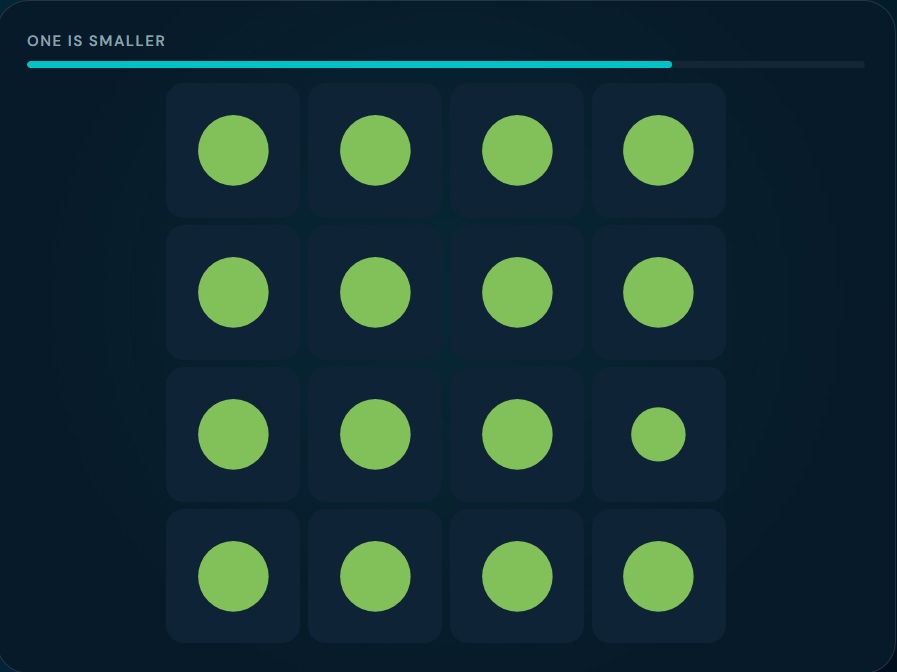
Smaller Circle Game
One circle in every grid is slightly smaller than the rest. Find it before the timer runs out.
Best: 0 pts
Blink
A number flashes for a fraction of a second. Read it. The flash keeps shrinking - and the number keeps growing.
Best: 0 pts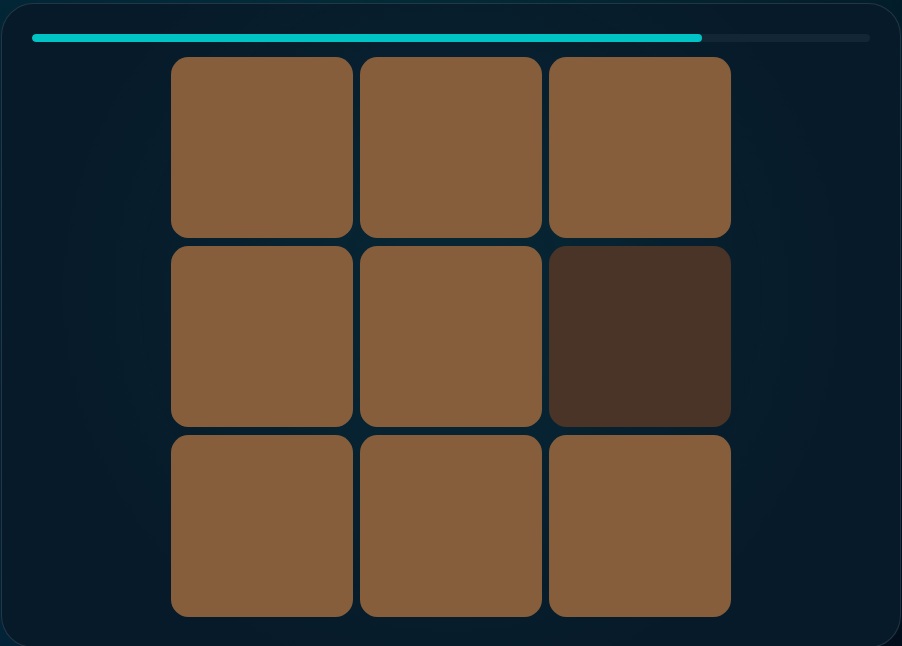
Odd Iris Out
One iris tint in the grid is a shade off. Find it before the shades get impossibly close.
Best: 0 pts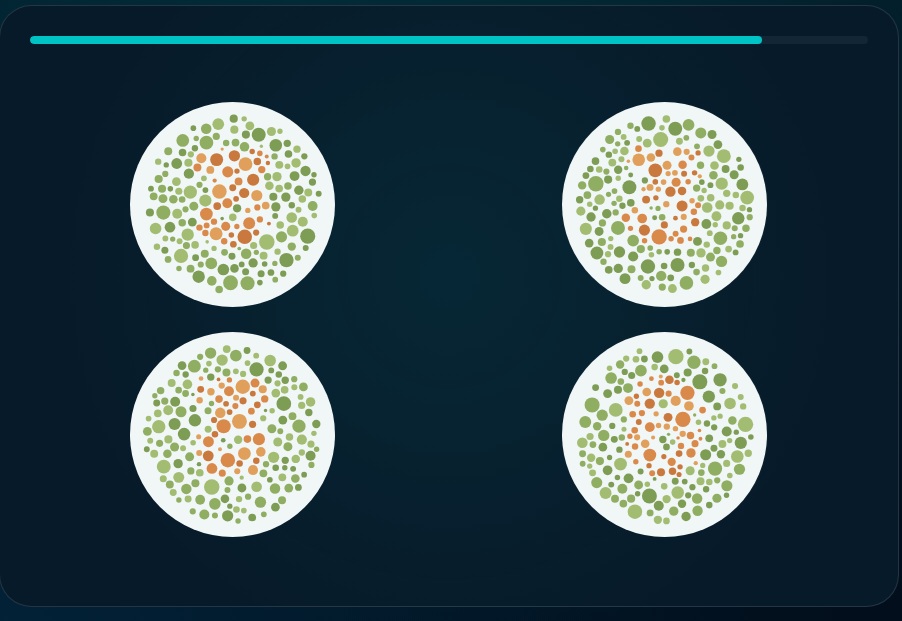
Ishihara Find
Four dotted plates, four hidden numbers. Three match. Spot the plate that doesn't.
Best: 0 pts
Iris Memory Match
Pairs of near-identical iris tints, face down. Match them from colour memory alone.
Best: 0 pts
Tint Sequence
Shades flash one after another in the same spot. Replay the order from the palette.
Best: 0 pts
Shade Ladder
Swap swatches until they run light to dark. A real arrangement test, against the clock.
Best: 0 pts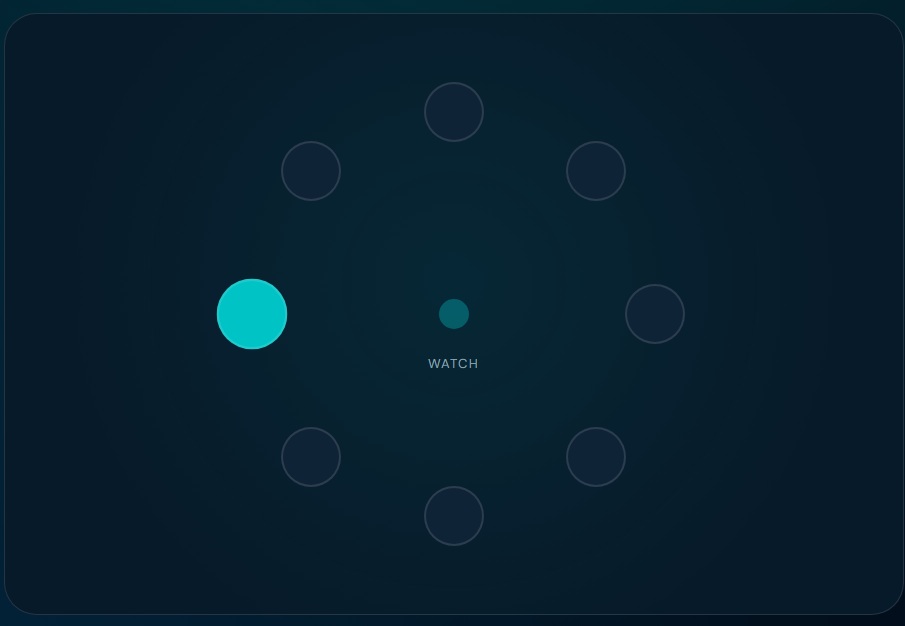
Saccade Sequence
Dots flash around a ring. Repeat the path your eyes just travelled.
Best: 0 pts
Discover
Ways of seeing that aren't yours

See What I See
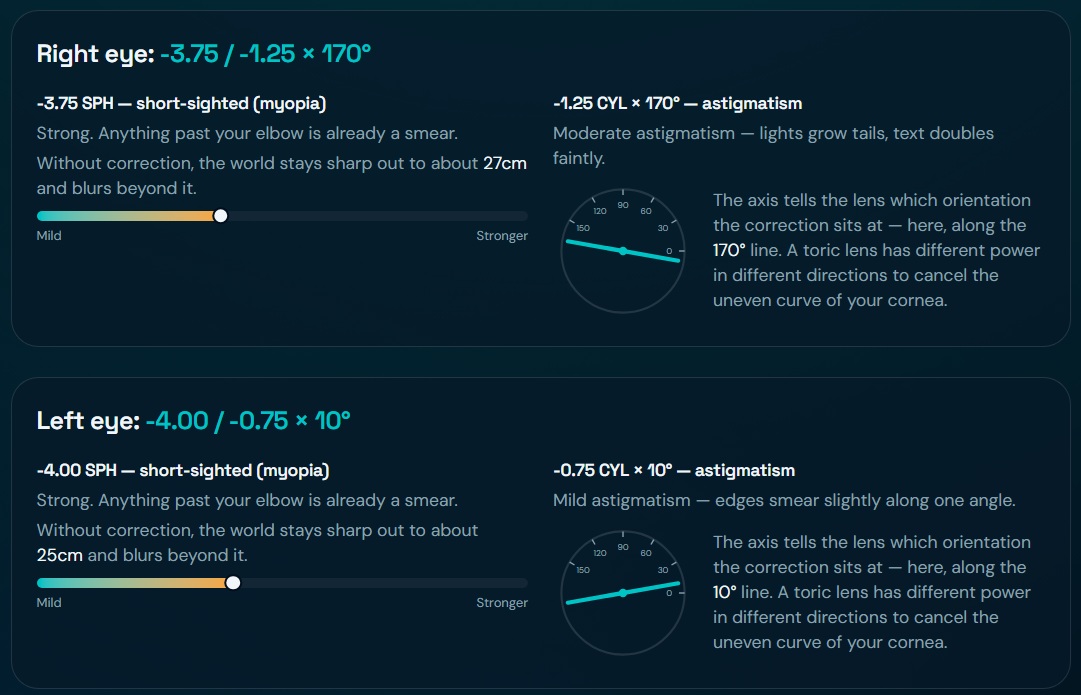
Enter your prescription and watch a street, a menu or the night sky dissolve. Then share the link with someone who's never understood.
Simulate my eyes
See Like an Animal
A deer that can't find the tiger, a cat that owns the dark, an eagle with built-in binoculars. Side by side with your own vision.
Pick an animalVision Conditions
Myopia, astigmatism, presbyopia, cataract - one street, seven ways of seeing it, with a severity slider.
Explore conditionsTest yourself
What are your eyes actually good at?
Vision Profile
Five tiny challenges - colour, contrast, peripheral vision, memory, speed - then your profile and your visual superpower.
Find my superpowerPerception Lab
Your eyes don't see the world; your brain interprets it. Interactive illusions where your own visual system is the experiment.
Enter the labUnderstand
The numbers, translated